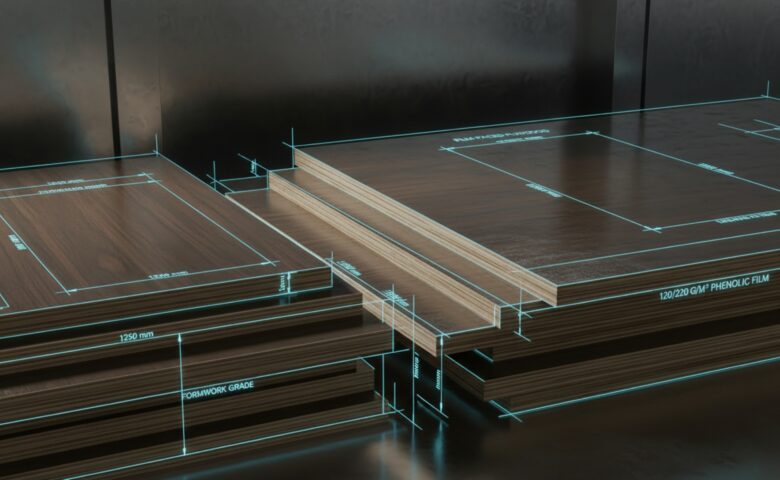
Buying formwork isn't just another line item — it's an investment that directly affects your site's productivity and profitability. Here's what to look for.
Birch formwork panels should have properly arranged, cross-laminated veneer layers (9–21 layers depending on thickness) that prevent warping and ensure stability.
A dark-brown phenolic film at 120 g/m² is the industry baseline, but a 220 g/m² film offers significantly greater wear resistance and a longer service life.
Look for bonding that meets the EN 314-2 / Class 3 specification — a must for weather-resistant panels suited to demanding conditions.
EN 13986 (E1) indicates low formaldehyde emissions, while TSCA Title VI certification signals controlled adhesive quality.
Flat surfaces, clean edges, no bubbles beneath the film, and undamaged veneer are all signs of a superior product.
Investing in proven, certified formwork pays off in the end — through more reuse cycles, fewer touch-ups, and better concrete finishes.
BackOur team is here to help you choose the right formwork for your project.
Contact Us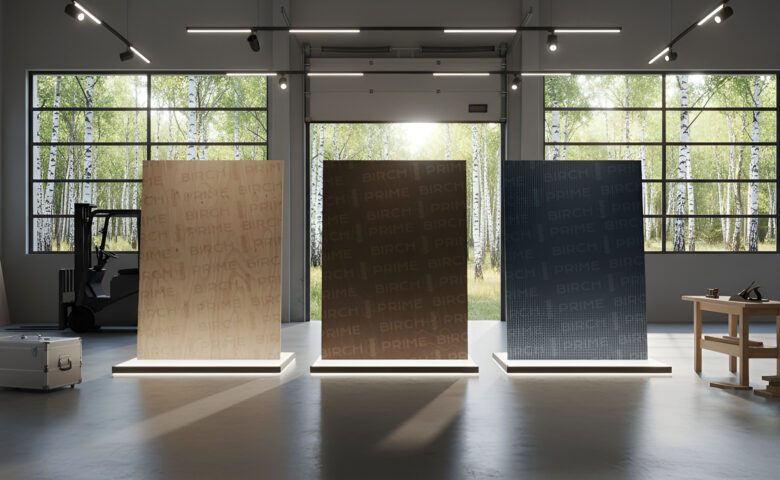
A quick guide through the main categories of birch plywood and where each one performs best.
Read More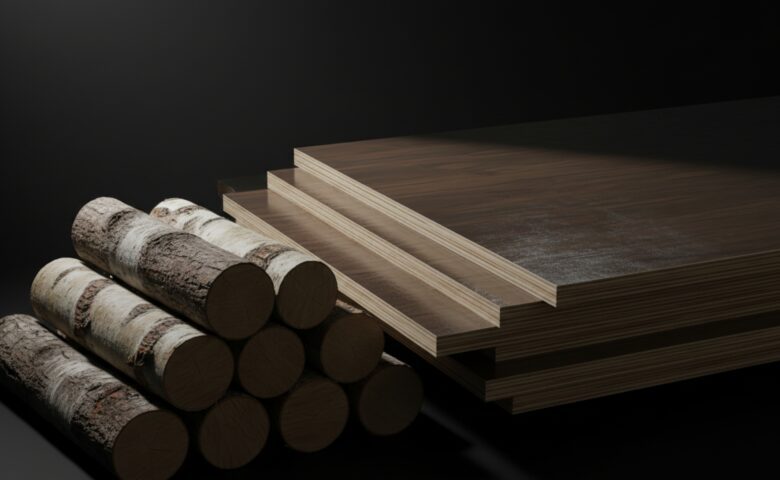
Density, strength and moisture resistance — the reasons white birch is the industry standard for premium construction formwork.
Read More